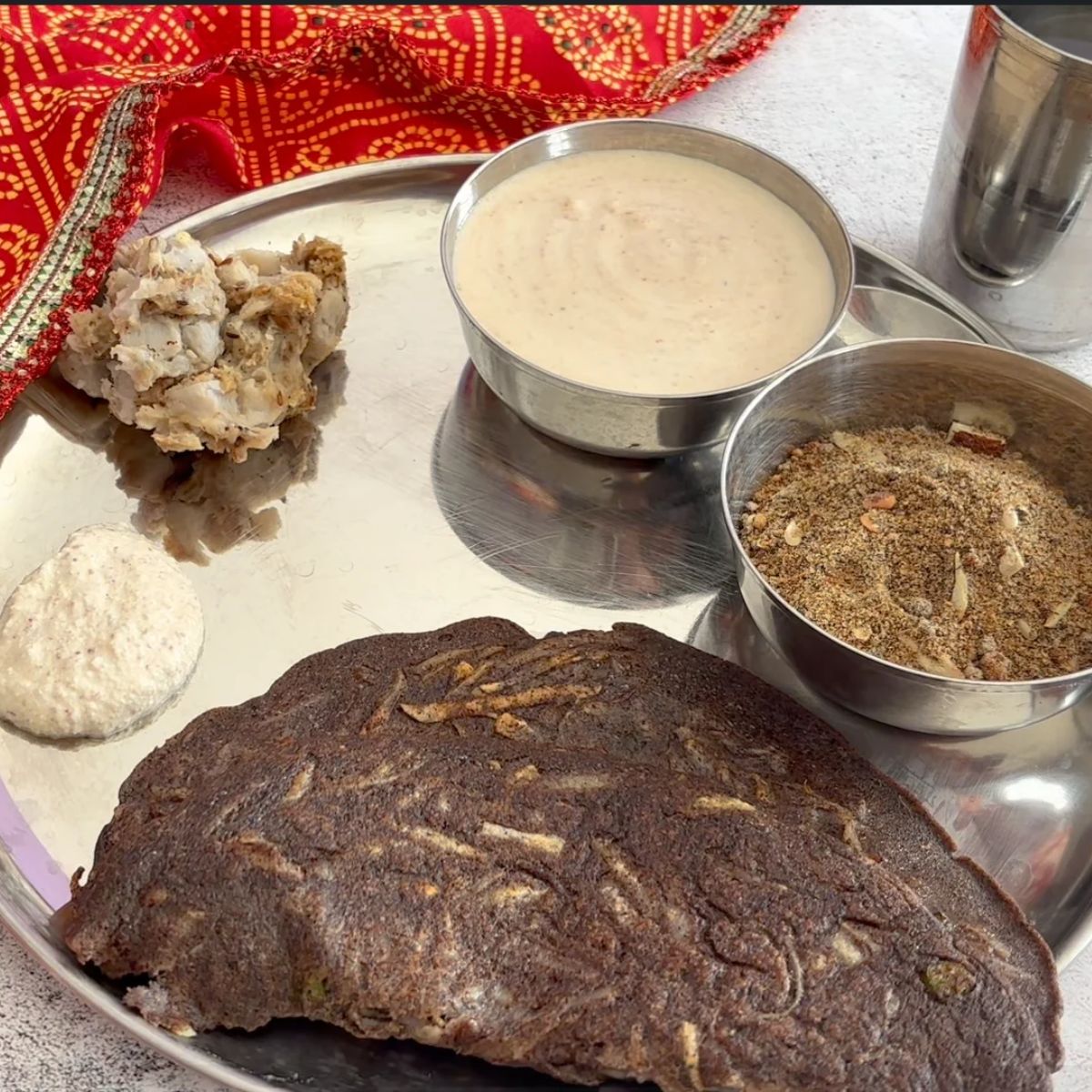
Navratri Vrat Thali Without Deep-Frying
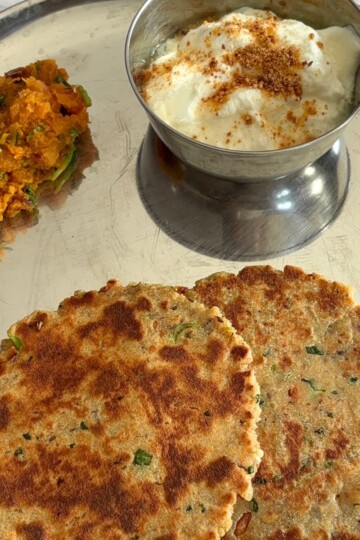
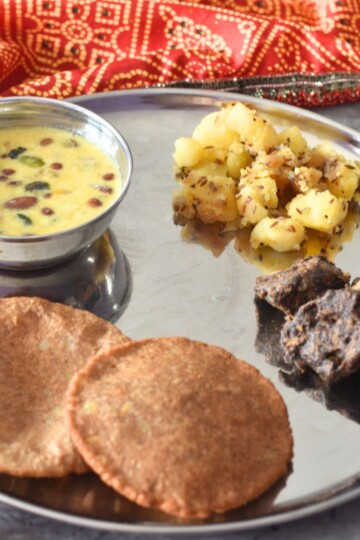
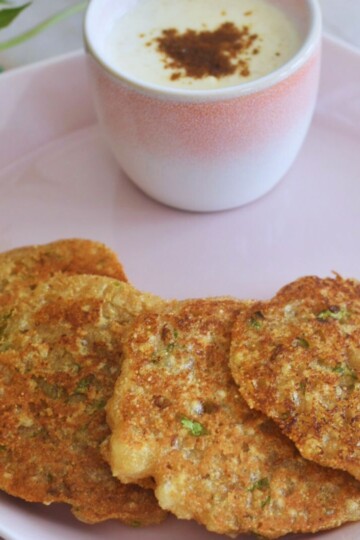
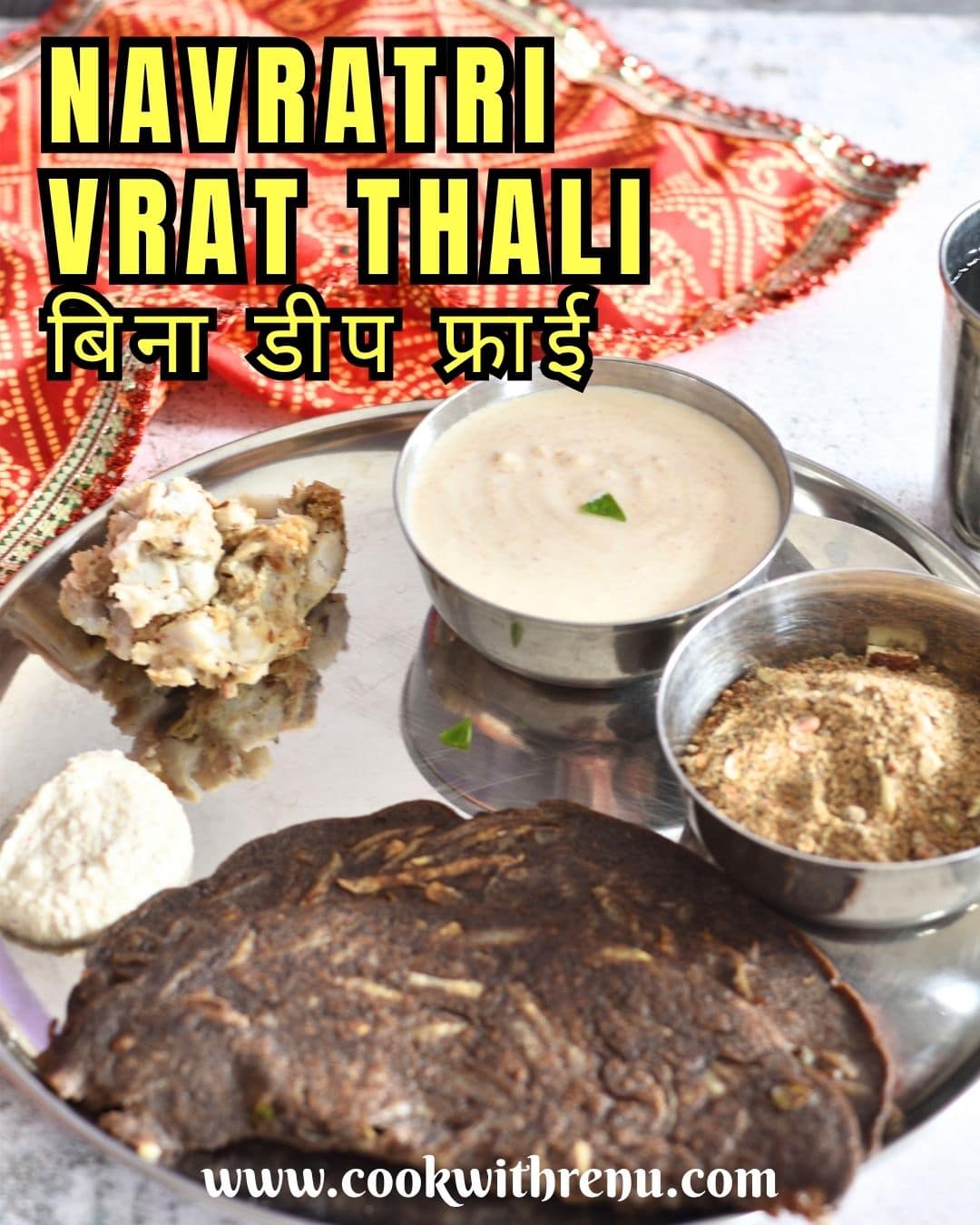
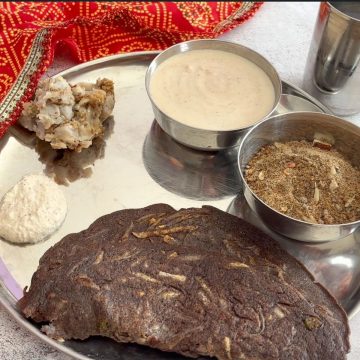
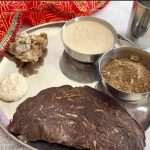
A Navratri vrat thali can bring color and crunch to your fasting meal without deep-frying. This combination pairs crispy kuttu aloo cheela with farali arbi, peanut-sesame-yogurt chutney, singdana raita, and a little kuttu dhaniya panjiri.
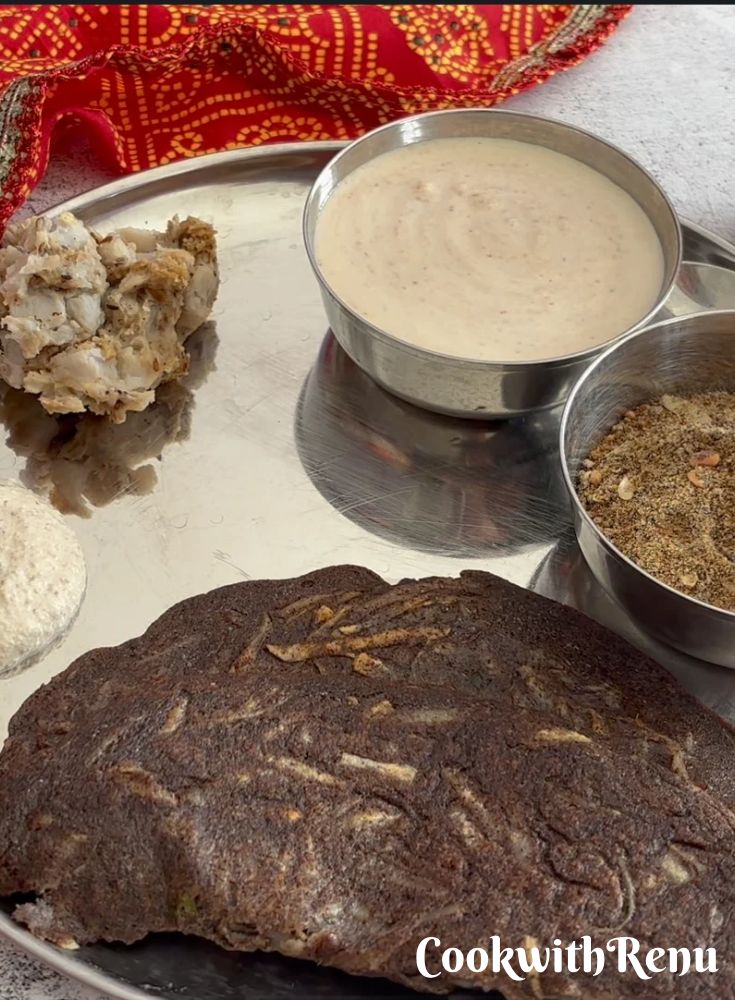
The cheela cooks on a pan with ghee, so you can enjoy crisp edges without making another batch of fried snacks. Keep every ingredient and seasoning within your family's fasting traditions, then start with the components you can prepare ahead.
What Goes Into This Navratri Vrat Thali?
The savory dishes give you several ways to enjoy each bite. Scoop up warm arbi with the cheela, dip its crisp edges into chutney, or add cooling peanut raita alongside.
Meanwhile, kuttu dhaniya panjiri adds a sweet finish. You don't need a large serving of every component; arrange the accompaniments in small bowls and leave room for the freshly cooked cheela.
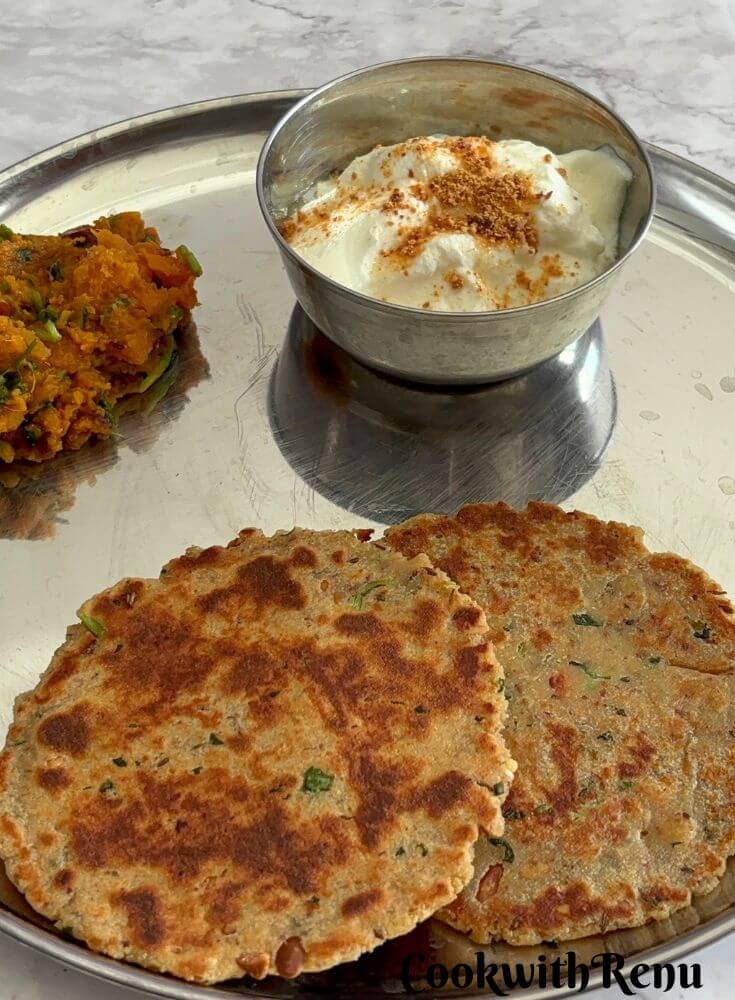
I have many more vrat thalis, and this rajgeera paneer paratha thali is another thali that you can enjoy guilt-free.
Crispy Kuttu Aloo Cheela Is the Main Dish
Kuttu is buckwheat flour, with an earthy flavor that works well with potato and cumin. Despite its name, buckwheat isn't wheat. A review of buckwheat's nutritional characteristics discusses its naturally gluten-free composition.
I have already shared a lot of recipes with this gluten-free flour. This is another vrat thali where I made kuttu pakoda with this flour. Then there are quick and easy recipes like this: Farali Kuttu ki Khichdi or this Farali Kuttu ka cheela, using buckwheat groats or whole buckwheat.
And if you fancy something hot, light, and to be enjoyed as a breakfast or an evening snack during your vrat, then this Farali Kuttu aur Singhara ka Dhokla is the correct choice.
For the cheela, you'll need:
- 1 cup kuttu flour.
- 2 medium potatoes, peeled and grated raw.
- Sendha namak to taste, according to your fasting practice.
- 1 teaspoon cumin.
- 1 to 2 green chiles, optional.
- Water as needed for the batter.
- 2 to 3 tablespoons ghee for pan-cooking.
The grated potato goes into the batter raw. As the cheela cooks, the potato softens while the surface turns golden. Grate it into manageable shreds so the batter spreads without leaving thick clumps.
Use the ghee across the batch rather than pouring it all into the pan at once. A lightly greased surface gives the cheela contact with the hot pan.
This is a pan-cooked cheela, not a deep-fried preparation. The batter spreads over the pan, and you turn it once the underside holds together.
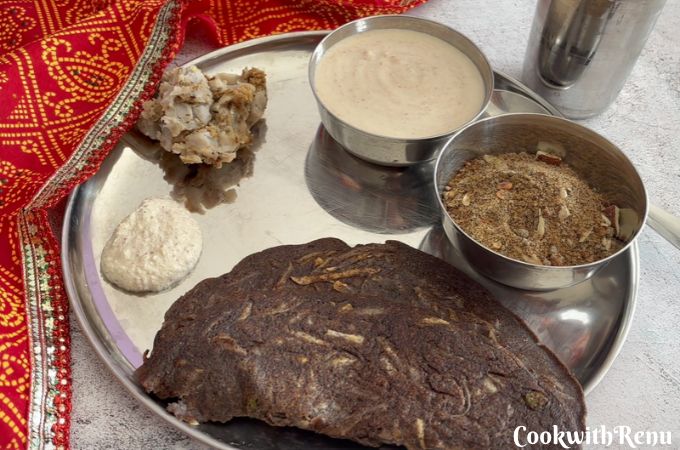
Arbi, Chutney, Raita, and Panjiri Complete the Meal
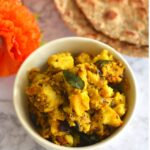
Farali arbi sabzi brings tender pieces of taro root cooked slowly in ghee. Cumin adds flavor, while green chile is optional. Its warm, soft texture makes a pleasant pairing with the cheela's crisp surface.
The peanut-sesame-yogurt chutney is creamy and nutty. Roasting the peanuts and sesame before blending gives it more flavor without needing an elaborate seasoning mix.
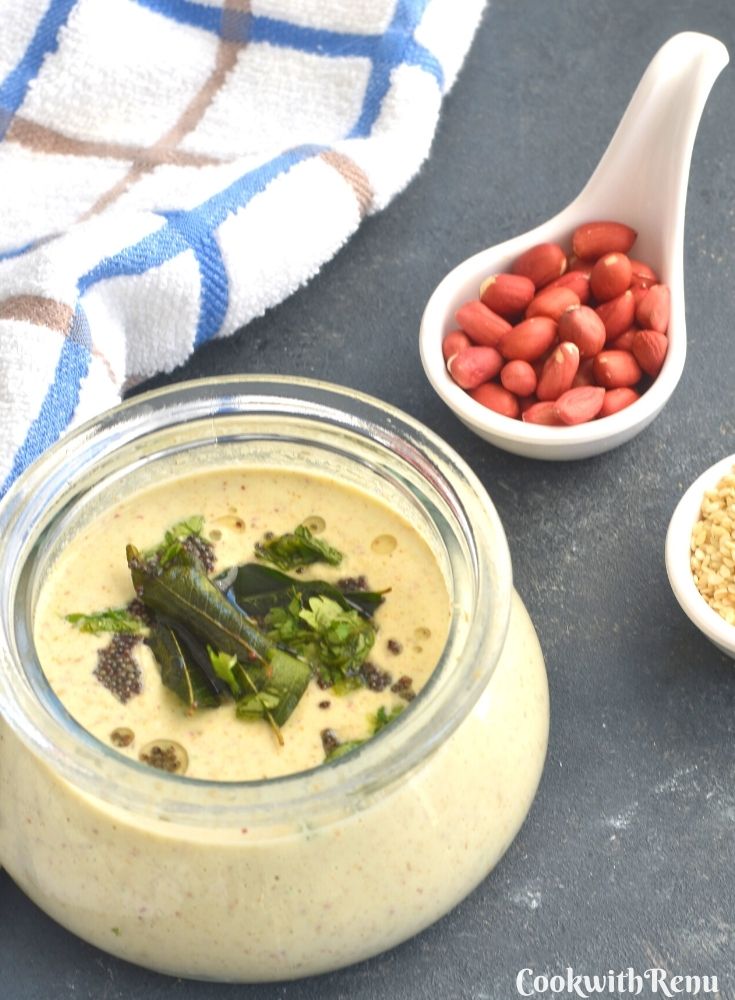
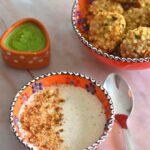
Singdana dahi raita is the cooling accompaniment. Singdana means peanuts, and dahi is yogurt. Although both the raita and chutney contain yogurt and peanuts, they have different roles: the chutney is a blended dip, while the raita is a spoonable side.
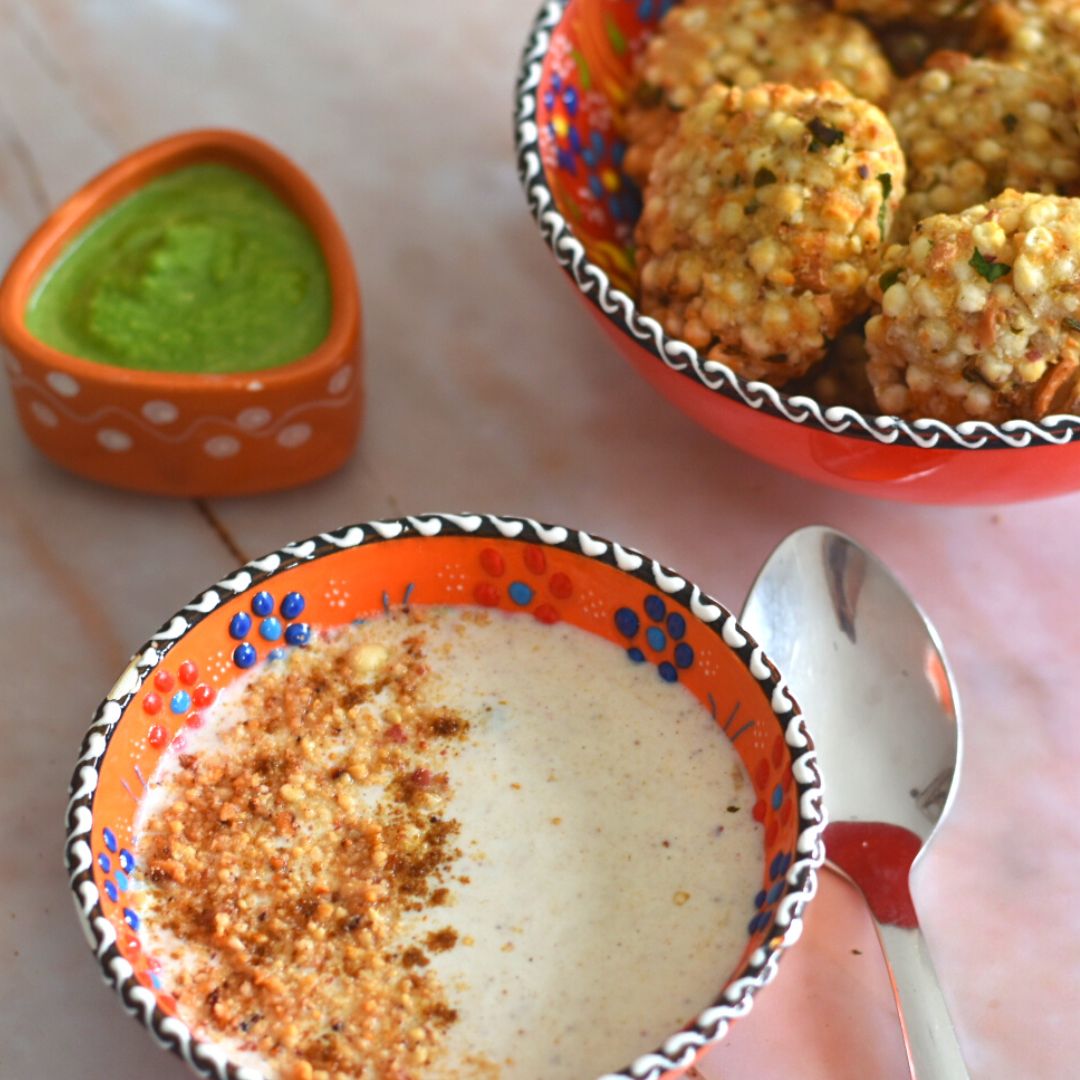
Finally, kuttu dhaniya panjiri adds sweetness without another last-minute cooking task. Prepare it ahead using a recipe that fits your vrat rules. Keep it separate from the warm dishes so its texture stays intact.
Navratri Vrat Thali Without Deep Frying: How to Prepare Each Dish
Start with the arbi several hours before the meal. Prepare the panjiri ahead too, then use the cheela batter's resting time for the chutney and raita.
Once the accompaniments are ready, cook the arbi and finish with the cheela. That order keeps the pan work manageable and lets you serve the main dish hot.
Mix and Rest the Kuttu Cheela Batter
Put the kuttu flour and salt in a mixing bowl. Whisk them together first, then add water gradually while stirring. Adding water in stages makes it easier to break up lumps and control the consistency.
The batter should be smooth and neither too thin nor too thick. It needs to spread across the pan, but it shouldn't run like water. Cover the bowl and let it rest briefly while you prepare the other components.
Unlike wheat flour, kuttu doesn't develop an elastic gluten structure. Give the cheela time to set before trying to move it.
Before cooking, stir in the grated raw potato, cumin, and optional chopped green chile. Mix well so each portion contains potato rather than leaving most of it at the bottom.
Check the consistency again after adding the potato. If the batter resists spreading, stir in a little more water. Make gradual adjustments, because an overly thin batter is harder to turn.
Keep a spoon in the bowl and stir between portions. This helps distribute the potato evenly throughout the batch.
Make Peanut-Sesame Chutney and Farali Arbi
For the chutney, roast the peanuts until lightly colored. Let them cool before rubbing off their skins. Roast the sesame seeds separately and lightly, taking care not to let them burn.
Separate roasting gives you better control because the small sesame seeds can darken before the peanuts are ready. Transfer each ingredient out of the hot pan once roasted.
Blend the peeled peanuts and sesame with yogurt, cumin, optional green chile, and sendha namak. Add water or whey as needed to loosen the mixture. Start with less liquid, then adjust until the chutney is easy to scoop with a piece of cheela.
Mustard seed and curry leaf tempering is optional. Leave it out if either ingredient doesn't fit your fasting practice. The roasted nuts, seeds, and yogurt give the chutney flavor without it.
For the arbi, boil it ahead, ideally 4 to 5 hours before cooking, to reduce stickiness. Allow it to cool, then peel and roughly cut it. Don't leave cooked arbi sitting at room temperature for those hours; refrigerate it once cooled until you're ready to cook.
Heat ghee in a pan and add cumin, followed by optional green chile. Add the arbi and cook slowly, stirring now and then.
Turn the pieces gently rather than repeatedly mashing them against the pan. Slow cooking gives the outside time to take on color while keeping the pieces recognizable. Add salt at the end, then keep the arbi warm while you cook the cheela.
Cook the Cheela Until Crisp and Golden
Heat a flat pan or tawa and grease it with a little ghee. Stir the batter, add a portion, and spread it into a thin cheela. You can make it larger if your pan has enough space to turn it comfortably.
Avoid leaving a thick mound in the center. An even layer helps the raw potato cook through and gives you a more consistent texture.
Cover and cook for 2 to 3 minutes. Add a little ghee on top if needed, then look for a set surface and edges that release easily.
Slide a broad spatula underneath before flipping. If the cheela sticks or folds, give it more time rather than forcing it loose. Adjust the heat if the underside browns before the surface sets.
Cook the second side for 3 to 4 minutes, until golden and crisp. These timings are a guide; the thickness of your cheela and the heat of your pan will affect cooking.
Flip when the surface looks set and the cheela moves easily. Early flipping can tear the potato-filled batter.
Transfer it to a plate and serve promptly. Avoid piling hot cheelas under a tight cover, because trapped steam softens their edges.
How to Adapt the Thali to Your Vrat Rules
Fasting practices vary between families and regions, including the foods eaten and the seasonings used. The different approaches described in this guide to Navratri fasting practices are a reminder that one menu won't suit every household.
Use this Navratri vrat thali as a meal combination, with your own traditions guiding the ingredients.
Choose Seasonings and Tempering That Suit Your Fast
Green chile is optional in the cheela, chutney, and arbi. Leave it out for a milder meal or whenever it doesn't belong in your vrat cooking.
The same applies to mustard seeds and curry leaves in the chutney tempering. Neither is essential to the preparation, so omitting them doesn't require replacing them with another seasoning.
Use sendha namak if that's part of your practice. Also apply your household's rules to cumin, sesame, peanuts, yogurt, and the ingredients in the panjiri. An ingredient commonly used during fasting elsewhere may still be excluded in your home.
Dhaniya in the panjiri deserves the same consideration. Follow the version your family prepares rather than assuming every coriander-based preparation is suitable.
When cooking for several people, keep optional chile or tempering out of shared dishes if their practices differ. You can still serve a satisfying meal with the plain chutney and gently seasoned arbi.
I recommend keeping the seasoning simple instead of adding extra spices to compensate for anything omitted. The roasted peanuts, sesame, ghee, and kuttu already contribute distinct flavors.
Make Ahead and Serve the Components at Their Best
Boiling the arbi several hours ahead removes a time-consuming job from the final cooking window. Once cooled and refrigerated, it's ready to peel, cut, and cook when you begin assembling the meal.
Prepare the kuttu dhaniya panjiri ahead and store it according to the recipe you use. Because it doesn't need to arrive hot, you can portion it before starting the cheelas.
Keep the yogurt-based chutney and singdana raita refrigerated until serving. If the chutney thickens while standing, stir in a little water or whey to restore its dipping consistency.
For the raita, whisk the yogurt until smooth and combine it with prepared peanuts and the seasonings permitted in your fast. Keep its texture spoonable rather than thinning it like the chutney.
Arrange the warm arbi, chutney, raita, and panjiri before the first cheela leaves the pan. Small bowls help keep the yogurt accompaniments away from the crisp main dish.
Cook the cheela just before eating. If you're making several, serve in batches so everyone gets one while it's hot. Place chutney beside it rather than pouring it over the whole surface.
That way, you can dip each bite without softening the remaining cheela. Add the raita alongside whenever you want a cooler, gentler accompaniment.
Kuttu Aloo Cheela
 Print
Pin
Rate
SaveCook ModeShare Recipe
Print
Pin
Rate
SaveCook ModeShare RecipeIngredients
- 1 cup kuttu flour buckwheat flour
- 2 medium potatoes peeled and finely grated raw
- Sendha namak to taste, or salt of your choice
- 1 teaspoon cumin seeds
- 1 to 2 Green chili finely chopped, optional
- Water as needed
- 2 to 3 tablespoons Ghee (Clarified Butter) for cooking the batch
Instructions
- Add the kuttu flour and sendha namak to a mixing bowl. Whisk to combine.1 cup kuttu flour, Sendha namak
- Gradually add water, stirring until you have a smooth, spreadable batter. It should not be too thin or too thick.Water
- Cover and let the batter rest briefly while you prepare the pan.
- Stir in the grated raw potato, cumin, and optional green chili. Mix well so the potato is evenly distributed. Add a little water if the batter is now too thick to spread.2 medium potatoes, 1 teaspoon cumin seeds, 1 to 2 Green chili
- Heat a flat pan or tawa and grease it with a little ghee.2 to 3 tablespoons Ghee (Clarified Butter)
- Stir the batter, then spoon a portion onto the pan. Spread it into a thin, even layer.
- Cover and cook for 2 to 3 minutes. When the surface looks set and the underside holds together, add a little ghee if needed.
- Slide a broad spatula under the cheela and flip it carefully. Cook the second side for 3 to 4 minutes, until golden and crisp and the potato is cooked through.
- Repeat with the remaining batter, stirring it between portions. Serve the cheelas hot.
Video
Notes
- Cook the grated potato in the cheela batter. Do not boil it first.
- Spread the batter evenly so the potato cooks through.
- If the cheela sticks or folds when you try to turn it, give it more time to set.
- Use the ghee across the whole batch, rather than adding all of it to the pan at once.
- Adjust the salt and optional chili to match your family's vrat rules.

Indian Cooking Confidence Guide
Learn the basics. Build confidence. Enjoy simple Indian cooking.